
- Home
- What We Do
- Pro Bono
- Our Story
- How We Are Different
- Our Team
- Careers
- News & Blog
- Contact Us

Equal Justice Solutions is a faith-driven law firm for ethical companies, whistleblowers, the seriously harmed, and the voiceless. We bring Big Law precision to high-stakes matters—without the moral compromise, bloat, or fake billing.

We defend truth-tellers in dangerous places. From SEC, IRS, healthcare, and False Claims Act whistleblowers to employees fired for speaking up against misconduct, we fight with federal reach and moral clarity.

We represent the voiceless—the trafficked, the sexually abused, the neglected—especially when the cover-up is worse than the harm. These are more than legal cases. They’re sacred ones.


We fight for investors, pension holders, and ordinary people who’ve been deceived, defrauded, or financially wiped out by brokers, funds, and so-called fiduciaries.

Commercial Litigation
We represent founders, investors, and leadership teams in bet-the-company disputes—securities litigation, company breakdowns, internal misconduct, and commercial fraud.


Business Litigation Attorneys
At Equal Justice Solutions, we don’t play fair in the ring, surprise you with bloated invoices, or make junior lawyers learn on your dime. We don’t defend corporate fraudsters—and we certainly don’t defend shady billing practices.


At Equal Justice Solutions, we serve professionals, workers, and whistleblowers who’ve been silenced, sidelined, or terminated for doing the right thing. We aren’t a volume shop. We’re not here for drama or delay.


LAW360 | June 02, 2025
A Delaware judge has declined to send to arbitration a proposed class action accusing a French yacht maker’s American subsidiary of violating U.S. consumer protection law by requiring buyers to have their boats periodically serviced at the company’s dealerships.


WGAL | April 01,2025
Dash Radosti says sexual assaults are underreported and under-prosecuted. He started a law firm to bring this violence to light and give victims an avenue to justice.
WGAL | April 01,2025
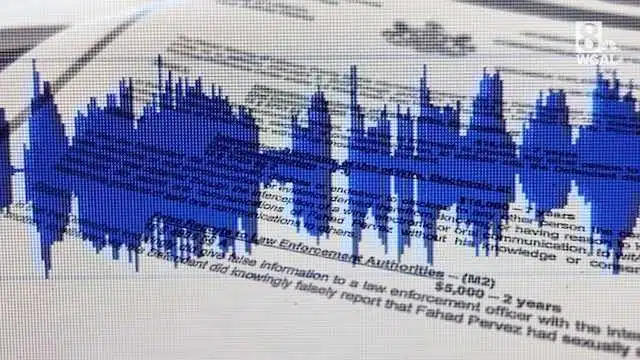
A woman who says she was raped will stand trial on wiretapping charges for recording the alleged sexual encounter.
Have you been impacted by any other form of injustice that isn’t described above? We want to know, and see if we can help. Contact Equal Justice Solutions.



We handle a focused range of high-impact legal matters. As a public benefit law firm grounded in Catholic social teaching, we represent clients in cases involving justice, accountability, and serious harm.
Our core practice areas include:
We also take select civil rights, employment, and consumer protection cases, particularly where there is clear wrongdoing, substantial damages, or evidence of systemic misconduct. In the employment context, this includes matters involving retaliation, discrimination, and, in limited circumstances, trade secret and restrictive covenant disputes, particularly on the defense side.
In addition, we maintain an active pro bono practice. We provide representation in matters involving serious injustice where clients lack the financial means to obtain counsel. These cases are chosen carefully to ensure we can deliver the same level of excellence, preparation, and advocacy as in our paid matters.
If you are unsure whether your situation fits within our practice areas, we encourage you to cont
Yes. We are intentionally selective about the matters we take on, for two reasons.
First, as a public benefit law firm rooted in Catholic social teaching, we do not accept cases that conflict with our core values. This generally includes defending companies in matters involving alleged environmental harm, consumer fraud, fraud against investors, and most insurance defense or routine personal injury defense work.
Second, we are structured to deliver high-caliber, “Big Law”–level representation in a limited number of cases. As a result, we cannot take most inquiries. We prioritize cases based on strength on the merits, provable individual harm, potential for broader impact, available resources, and fit with our expertise.
We also do not typically handle immigration, family law, ‘lemon law’/auto defect cases or most criminal defense matters. In limited circumstances, we may consider white-collar or financial cases where there is strong evidence of innocence and alignment with our mission.
Yes. We regularly represent defendants in a range of business, employment, and enforcement-related matters.
Our defense-side work includes commercial litigation at all levels, including disputes between companies, investors, funds, and other institutional actors. We handle cases involving breach of contract, fiduciary duty, partnership and shareholder disputes, and complex business torts, including high-stakes, institutional disputes.
We also represent employees, executives, founders, and businesses in trade secret, restrictive covenant, and unfair competition disputes, particularly where those claims are used aggressively to restrain lawful competition or employee mobility.
On a case-by-case basis, we may represent defendants in False Claims Act and other enforcement-related matters where there is credible evidence of good-faith conduct, factual complexity, or a meaningful path to resolution.
In select civil rights, constitutional, and pro bono matters, we may also represent defendants where doing so advances fairness and aligns with our mission.
As with all of our representations, we are selective and do not take every defense matter.
We primarily represent clients in state and federal courts in Delaware, New York, and Pennsylvania, particularly in complex commercial, whistleblower, and high-impact litigation matters.
We also handle select matters nationwide, often in partnership with trusted local counsel where appropriate.
Most legal claims require three core elements:
If all three are present—a legal violation, supporting evidence, and real damages—you may have a viable claim. During a consultation, we evaluate each of these elements in detail and assess the strength of your case.
As Judge Learned Hand once observed, aside from death and serious illness, litigation is among the most difficult experiences a person can face.
First, pause. Take a breath. Do not panic.
Get some rest if you can—clear thinking matters more than immediate reaction. In most cases, litigation is rarely as bad as it first appears, and rarely as simple as it seems.
Once you’re calm, review the complaint.
The language may be technical, but focus on the basics:
What is being alleged?
Who is suing you?
What happened?
Then look at the end of the complaint, where the causes of action are listed. These identify the legal claims being brought against you (for example, breach of contract, fiduciary duty, or business torts).
Next, preserve everything.
Do not delete emails, texts, files, or documents. Turn off any auto-delete settings. If you use a shredding service, pause it. This is not the time to replace devices or “clean up” records. Your lawyer will advise you further, but for now, assume everything may be relevant and should be preserved.
Do not contact the other side.
Do not call, email, or try to “explain” your position to the opposing party or their lawyer. Anything you say can be used against you. Let your attorney handle all communications.
Then, contact a lawyer who handles this type of case—ideally in the jurisdiction where the case was filed (usually listed on the first page of the complaint). Send them the complaint and request a consultation.
During that consultation, you should ask:
Have you handled matters like this before?
What is your general approach to cases like this?
What are the immediate next steps?
What should I expect in terms of timing and cost?
Act promptly, but not emotionally. A measured, informed response at the beginning of a case can significantly affect the outcome.
Finding the right lawyer is not always easy. We encourage prospective clients to review our blog and other resources, but a few practical questions can quickly separate strong counsel from weak ones.
Ultimately, you are looking for a lawyer who is competent, thoughtful, disciplined, and clear in both strategy and communication—not just someone with a strong resume.
In most cases, our initial consultations are offered at no cost. If a consultation fee applies for any reason, we will let you know in advance—this is relatively uncommon.
Due to the volume of inquiries we receive, we are not able to offer consultations in every case. We typically schedule consultations only where the initial information suggests that we may be able to help and that the matter warrants further review.
Given the volume of inquiries we receive, most consultations are evaluated based on a written submission. If this presents any difficulty or you need a disability-related accommodation, please let us know.
If you have already been sued, please provide:
If you have not been sued, a brief summary of your situation and what you are hoping to achieve is helpful. You may include key documents or evidence if they are directly relevant.
At the intake stage, please do not send large volumes of materials. We are happy to review important documents, but it is generally not appropriate to submit extensive document productions unless specifically requested.
Our fee structures vary depending on the type of case, but we prioritize transparency and alignment with our clients.
In some cases, we may offer alternative or customized fee arrangements depending on the matter.
We are committed to clear, upfront communication about fees. Our full fee structure is explained in more detail on our website, and we will walk through it with you before any engagement begins.
There are several factors that determine how long a case will take:
As a general benchmark:
Every case is different. During your consultation, we will provide a more tailored estimate based on the specific facts, claims, and jurisdiction involved.
You may not. Not every case is a fit, and we turn away more matters than we accept.
That said, there are several things that distinguish our firm:
Ultimately, the question is not whether you should hire us, but whether we are the right fit for your matter. If we are, we will pursue your case with discipline, clarity, and purpose.